


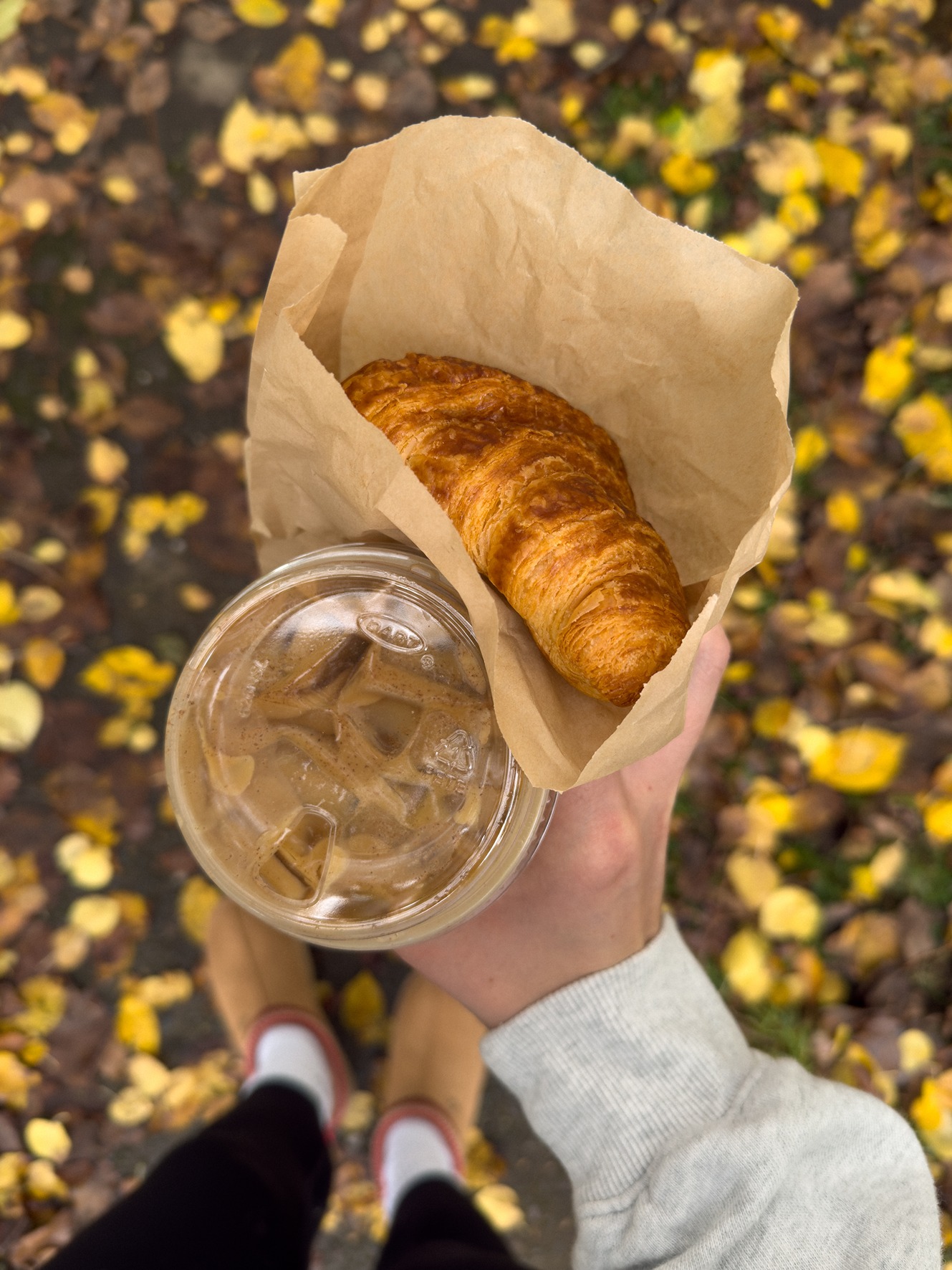
As an eating disorder dietitian and nutrition counselor, I talk to clients every day about food and nutrition needs. And something I’m constantly being asked or giving my two cents on is SNACKS. What are the best snacks for eating disorder recovery, and how do I know if something is a “good” snack option?
What I’ll tell you is that every client is different, but over the years I’ve started writing a mental list of the snacks I’m ALWAYS recommending.
Eating disorder recovery is hard enough on its own, and my goal is to keep mealtimes and snacktimes as drama-free as possible, so you may be surprised at some of the snacks I suggest!
What Makes a Good Snack for Eating Disorder Recovery?
A good snack for eating disorder recovery is one that gets food into your body without making it stressful!
But if you want the *real* answer:
I typically recommend starting with at least two food groups in a snack — for example, grain + protein, fruit + dairy, or grain + fruit.
Sometimes baked goods and other prepared snacks contain at least two food groups already, making them great grab-and-go options to get what you need without overcomplicating it.
Easy Snack Ideas for Eating Disorder Recovery
When I’m working with clients in eating disorder recovery, I typically recommend the following snacks. They’re simple, tasty, and filling!
Every person is unique, and you may not like some of these snacks, and that’s okay! Take the ideas that work for you and leave the rest.
1. Smoothies and supplement shakes
Smoothies and supplement shakes are a good option, especially if eating solid foods feels overwhelming. You can prep and freeze fresh ingredients for smoothies, or use prepackaged smoothie and shake mixes if that works better for you.
2. Protein bars
A lot of protein bars are nutrient dense with vitamins and minerals, they’re filling, and you can’t beat the convenience!
There are so many different options and brands to try, so pick up a few boxes in flavors you think you might enjoy to have on hand for quick snacks whenever you need them.
3. Peanut butter paired with things
If you don’t like peanut butter, swap for Nutella! There are truly endless possibilities here, so get creative with it!
For instance: peanut butter on toast, peanut butter on crackers, apple slices dipped in peanut butter, graham crackers with peanut butter, or the classic ants on a log (celery with PB, topped with raisins).
4. PB&J
An old-fashioned peanut butter and jelly sandwich is a filling snack that covers three different food groups (grain, protein, fruit). If you want something even quicker, Uncrustables are a popular choice with a lot of my clients.
5. Granola
Eat it plain or mix a serving of granola with some milk, just like you would eat cereal. You can also make yummy homemade parfaits by mixing granola and yogurt. Add nuts, fruit, honey, nut butter, or whatever else you have in your kitchen to spice it up for a more filling snack.
6. Muffins
Muffins are a great snack, but they’re also great at breakfast, especially when paired with a protein like yogurt, cottage cheese, or eggs.
You can do prepackaged muffins, but there can also be something cathartic and healing about baking your own muffins as part of your eating disorder recovery process.
7. Poptarts
People are sometimes surprised when I suggest Poptarts, but they’re tasty and come in so many different flavors to choose from. Poptarts primarily fall under the grain food group, but if you want to get some protein in, check out the Poptarts Protein Flavors!
8. Ice cream
I don’t know who needs to hear this, but not every snack has to (or even should) be one that we traditionally view as being “healthy.” It’s incredibly beneficial to engage with food for enjoyment as well!
Sweets like ice cream and milkshakes are delicious and can make the experience of actually eating more tolerable or enjoyable. Ice cream also contains satiating fats, which your body needs — and regularly incorporating foods that your eating disorder finds “challenging” has significant benefits as well.
9. Leftovers
Not every snack has to be special or something you consider a “snack.” Grabbing whatever leftovers you have in the fridge is perfectly acceptable! And it’s super helpful when preparing a snack feels overwhelming or you just don’t have any prepackaged goods on hand.
Why These Snacks Are Good Choices for Eating Disorder Recovery
Some of my clients have been shocked at some of the snack suggestions I provided in this post. Parents, in particular, are hesitant to give their child sugary foods like ice cream for every snack. I understand the hesitation and pushback, but there’s a reason I make these recommendations.
When you’re in recovery for an eating disorder, the important thing is getting fuel in your body — not making snacktime another fight with food. We can focus on getting two or more food groups in a snack when possible, but we also need to take in consideration our own enjoyment!
The foods you like that feel easy to prepare and eat are often the best snacks, because eating something is better than eating nothing.
Remember, Snacking is Normal and Encouraged
Snacking throughout the day is an important part of eating disorder recovery. Our bodies NEED food every few hours to give us energy and fuel us with the nutrients we need.
If you need more guidance and support through your recovery, I can help! I’m a non-diet, weight inclusive nutrition therapist specialized in eating disorders.
And while, yes, I did technically just give you a list of food ideas, my typical approach to counseling is NOT to rely on “lists,” but to help you discover and define what a fully nourished life means for YOU.
Learn more about nutrition counseling available in California and virtually to clients in 14 states.


This is NOT the kind of blog that tells you what to eat.

As an eating disorder dietitian, I'm so much more interested in WHY you eat and how you feel about it than the "what" of it all — so if feeling more grounded around food (and maybe even enjoying eating again...???) is your vibe, I'm glad you found your way here.
Hi! I'm Lisa — and...

Live in one of these states? I can be your dietitian!
Join me in-person in my Monterey, CA office or via telehealth in several states.
Home
About
Services
Contact

p: 831-200-3755
f: 855-360-7597
Get started with a free discovery call
learn more
Referrals
Non-diet dietitian in Monterey, CA to help you find a calmer relationship with food. Telehealth available in several states!
Blog
© 2024 Lisa McGlothlin | Policies | Site Credit